
The 4K restoration of “Princess Iron Fan” at the Shanghai International Film Festival underscores the film’s historical importance as Asia’s first animated feature and its pivotal role in the development of Chinese animation.
[Via SIXTHTONE | DING YINING]
Eight decades after its original release, the iconic Chinese animated film “Princess Iron Fan,” Asia’s first animated feature film, has been brought back to life in 4K, premiering at the Shanghai International Film Festival.
Adapted from the 16th-century novel “Journey to the West,” this 73-minute film follows the Monkey King, or Sun Wukong, as he seeks a magical fan from a princess to quell a village-engulfing fire.
The 4K restoration of “Princess Iron Fan” is more than a technical marvel; it serves as a testament to the enduring legacy of China’s animation industry, which is estimated to be worth 300 billion yuan ($41.3 billion). Last year alone, 62 animated films were released in China, with 37 produced domestically, generating a box office total of 7.99 billion yuan.
High-quality 4K restorations are now a popular and nostalgic highlight of the annual Shanghai International Film Festival. Along with “Princess Iron Fan,” this year, the festival also re-released another renowned animated film, “Havoc in Heaven,” made in the early ’60s.
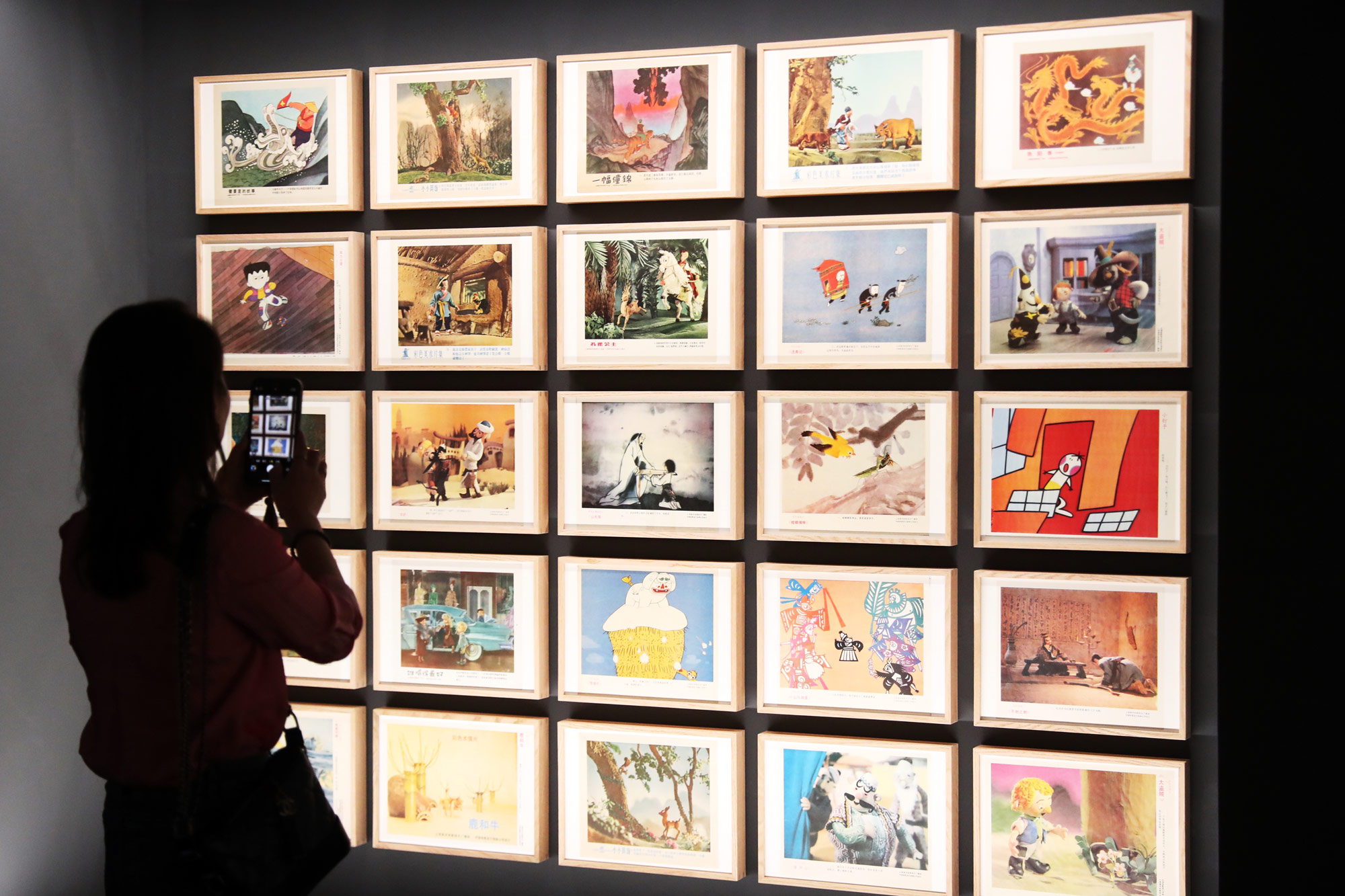
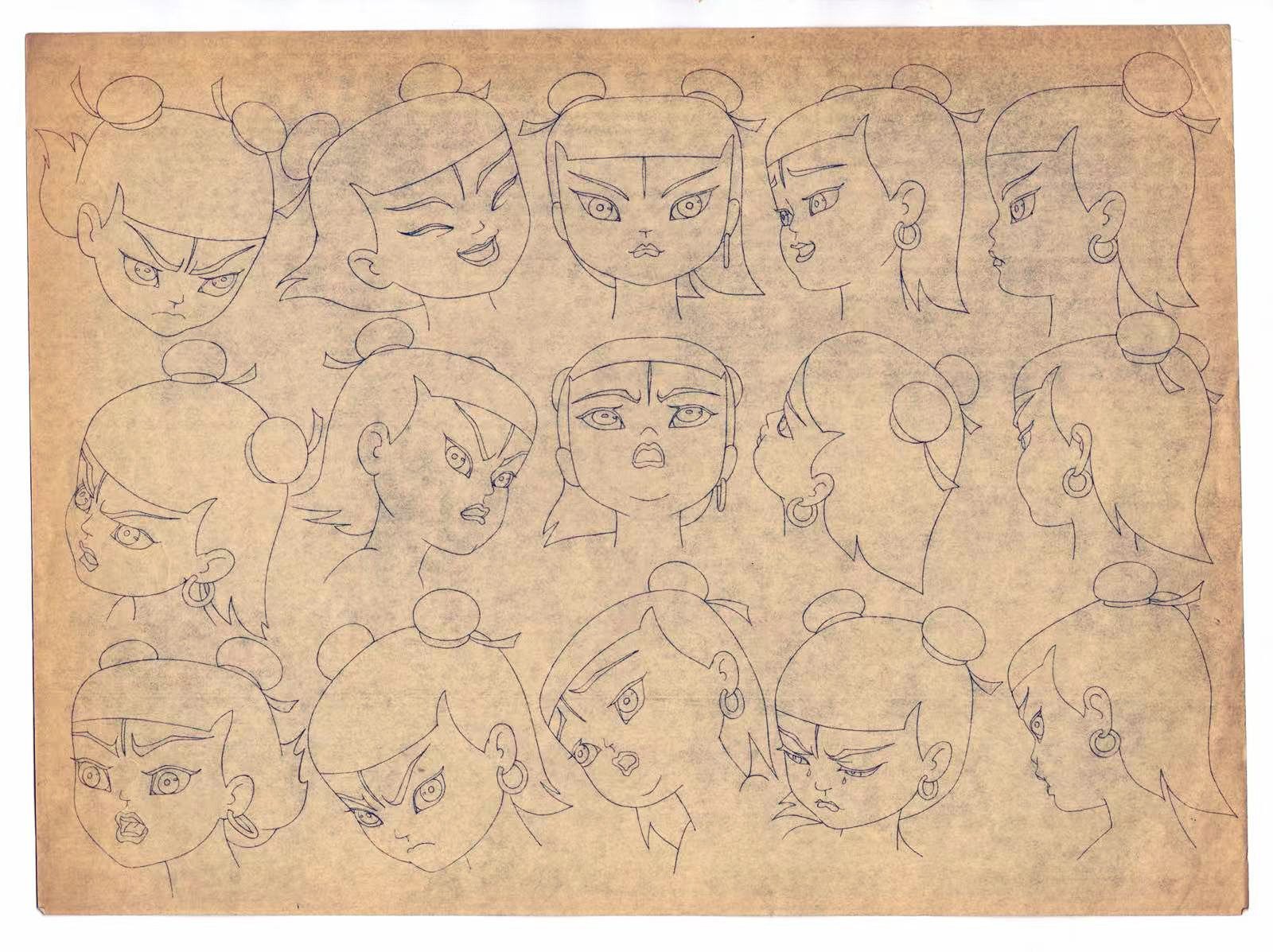
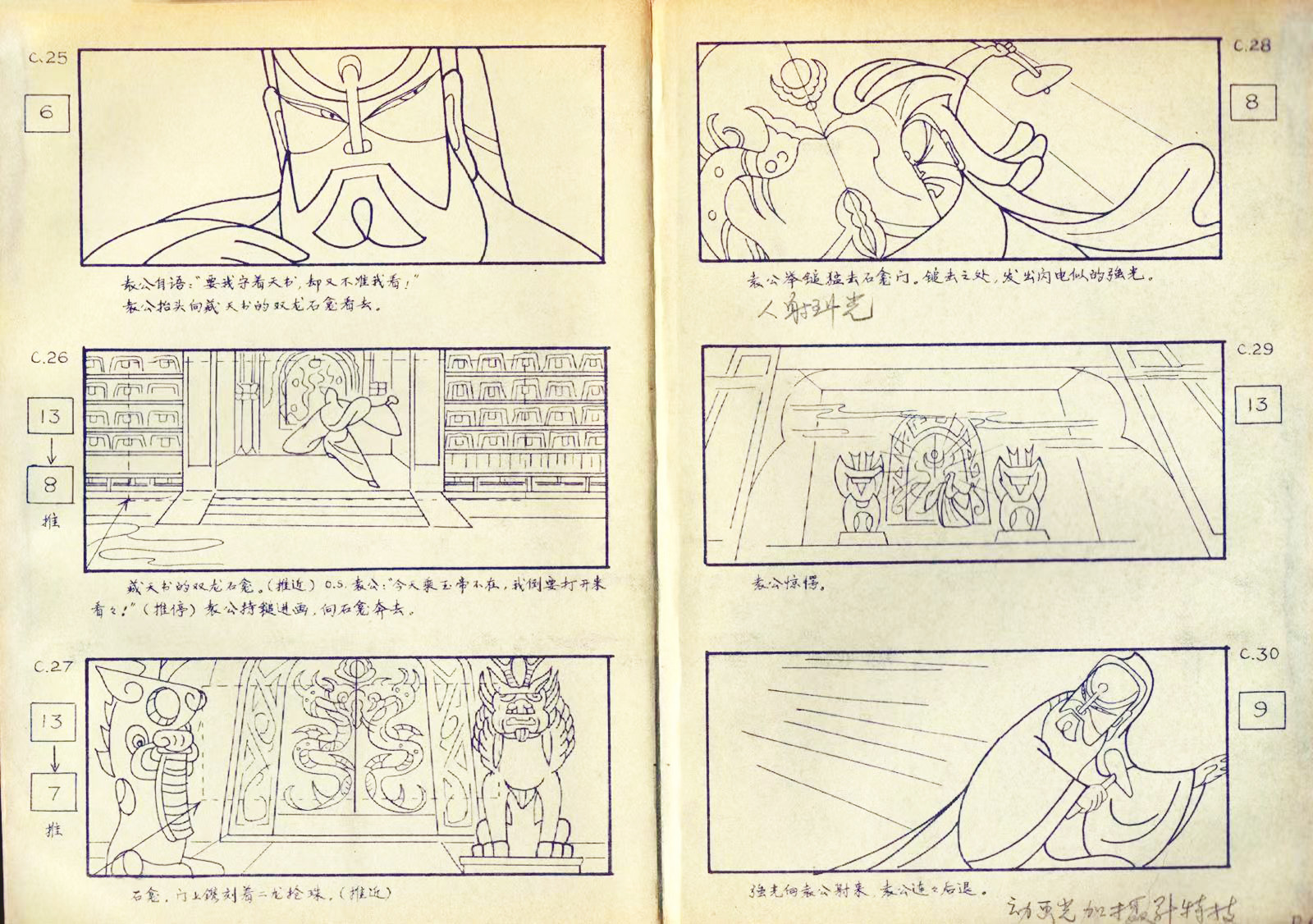
“I hope that more young people will visit cinemas to enjoy these animated works and appreciate the unique aesthetics and techniques of the classics on the big screen,” said Fu Guangchao, co-founder of Kongzang Animation Comics Archive and curator of the recent exhibition “Animating China: A History of Shanghai Animation Film” at the Shanghai Minsheng Art Museum.
Chinese animation traces its roots back to 1921 with the inaugural publication of “The Film Magazine” in Shanghai. Its inaugural issue featured “The Method of Making Comedy and Satirical Moving Pictures,” the earliest known Chinese document on animation.
This was carried forward by the Wan Brothers, who created China’s first animated film with sound, “The Dance of Camel,” in 1935, and “Princess Iron Fan,” in 1941.
Founded in 1957, the Shanghai Animation Film Studio (SAFS), initially part of the Northeast Film Studio in the late 1940s, is often regarded as China’s answer to Disney. It remained the country’s sole professional animation institution until the 1990s, when it evolved into the Chinese School of Animation.

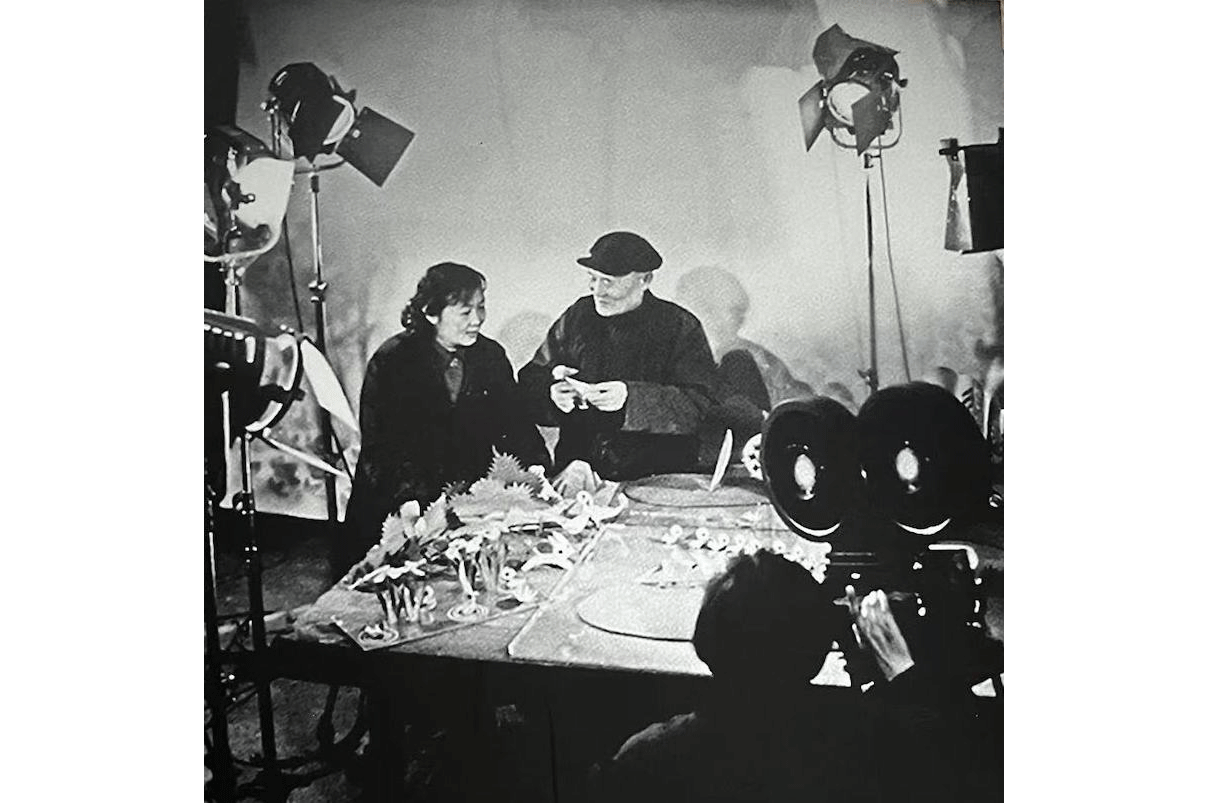
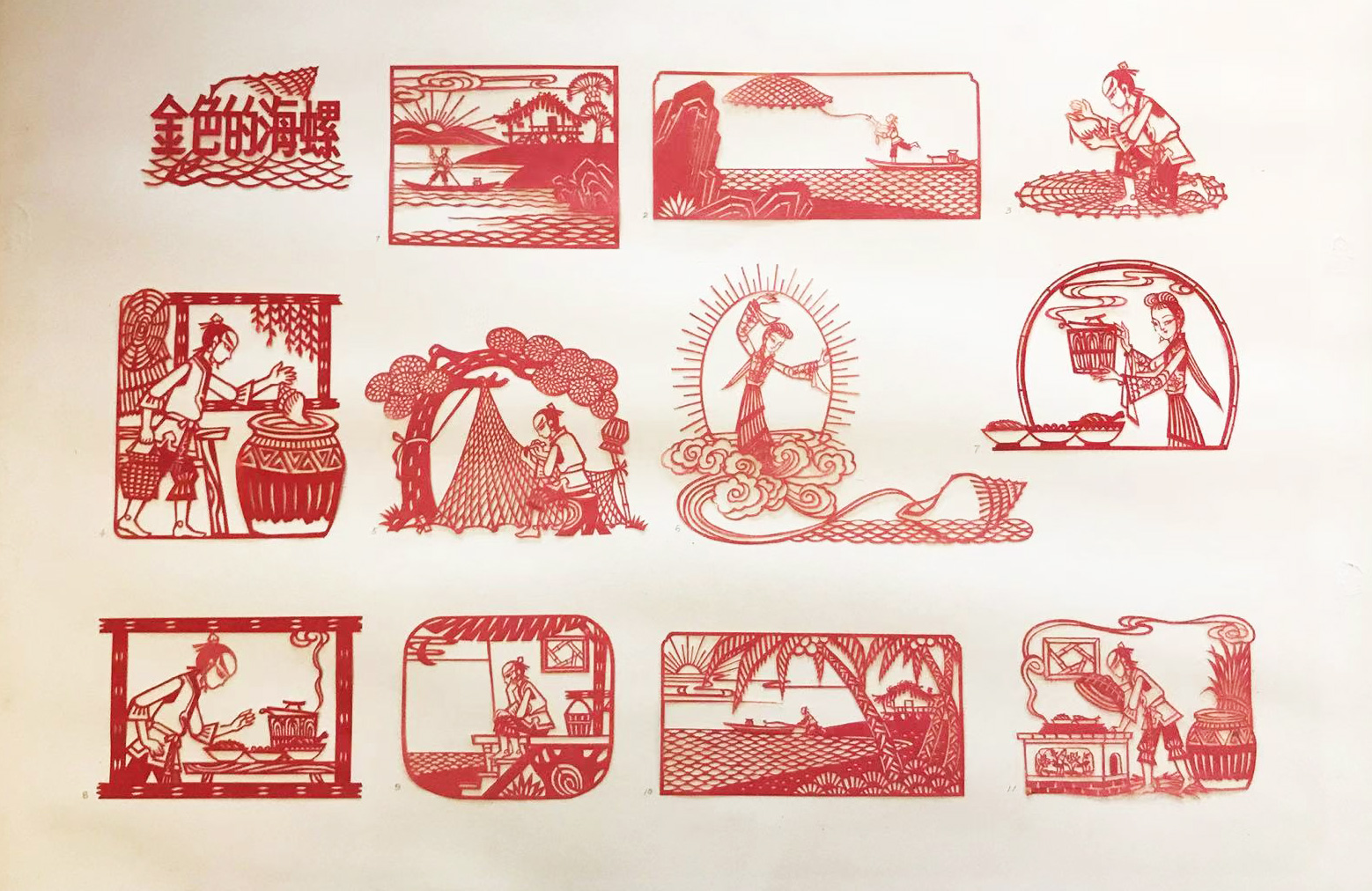
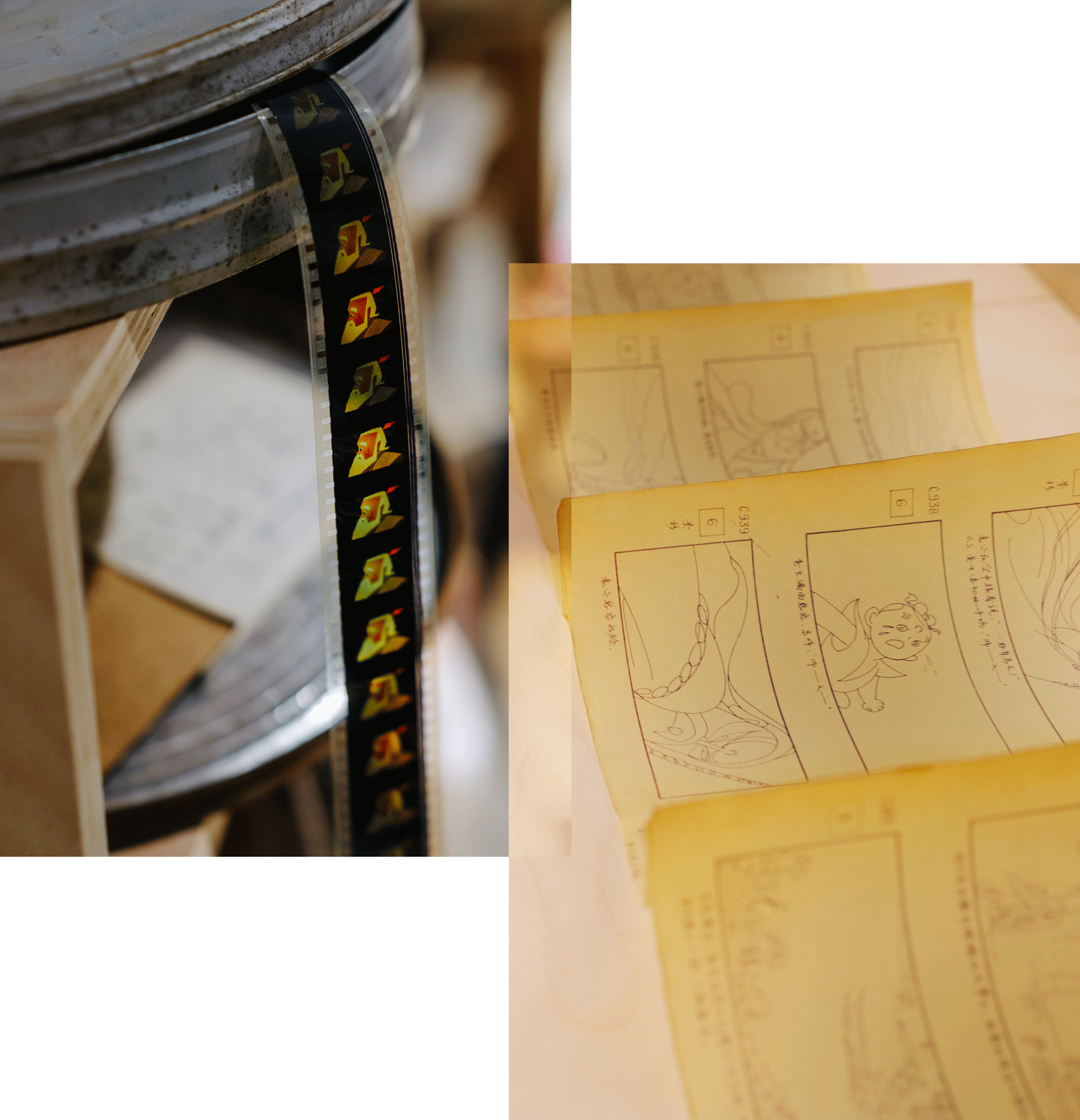
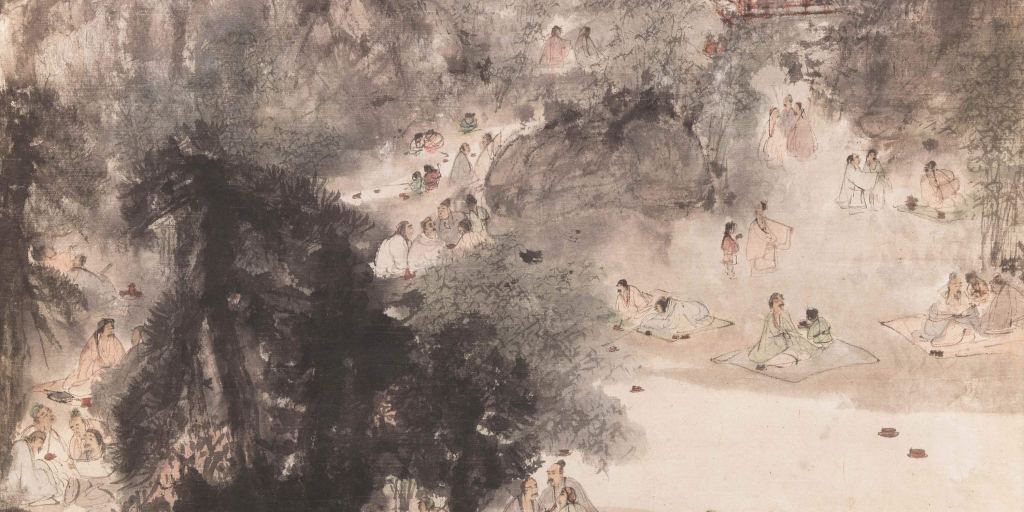
SAFS was known not only for its hand-drawn and puppet films but its experimental work that blended traditional art forms such as paper-cutting, paper-folding, and ink-wash painting. This culminated in the 1960 release of the ink-wash animated film “Where is Mama?”, which showcased the delicate artistry of ink strokes blending into water.
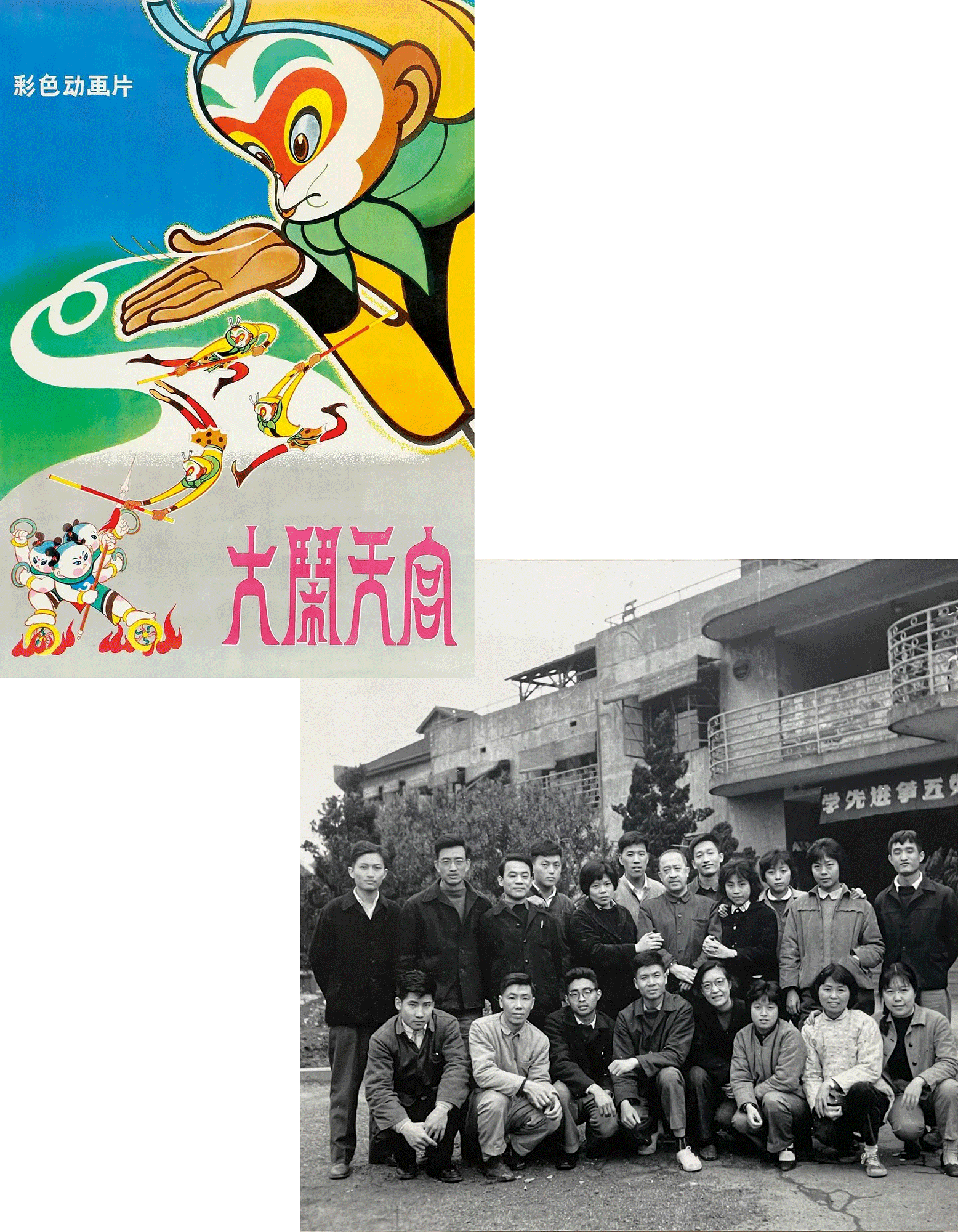
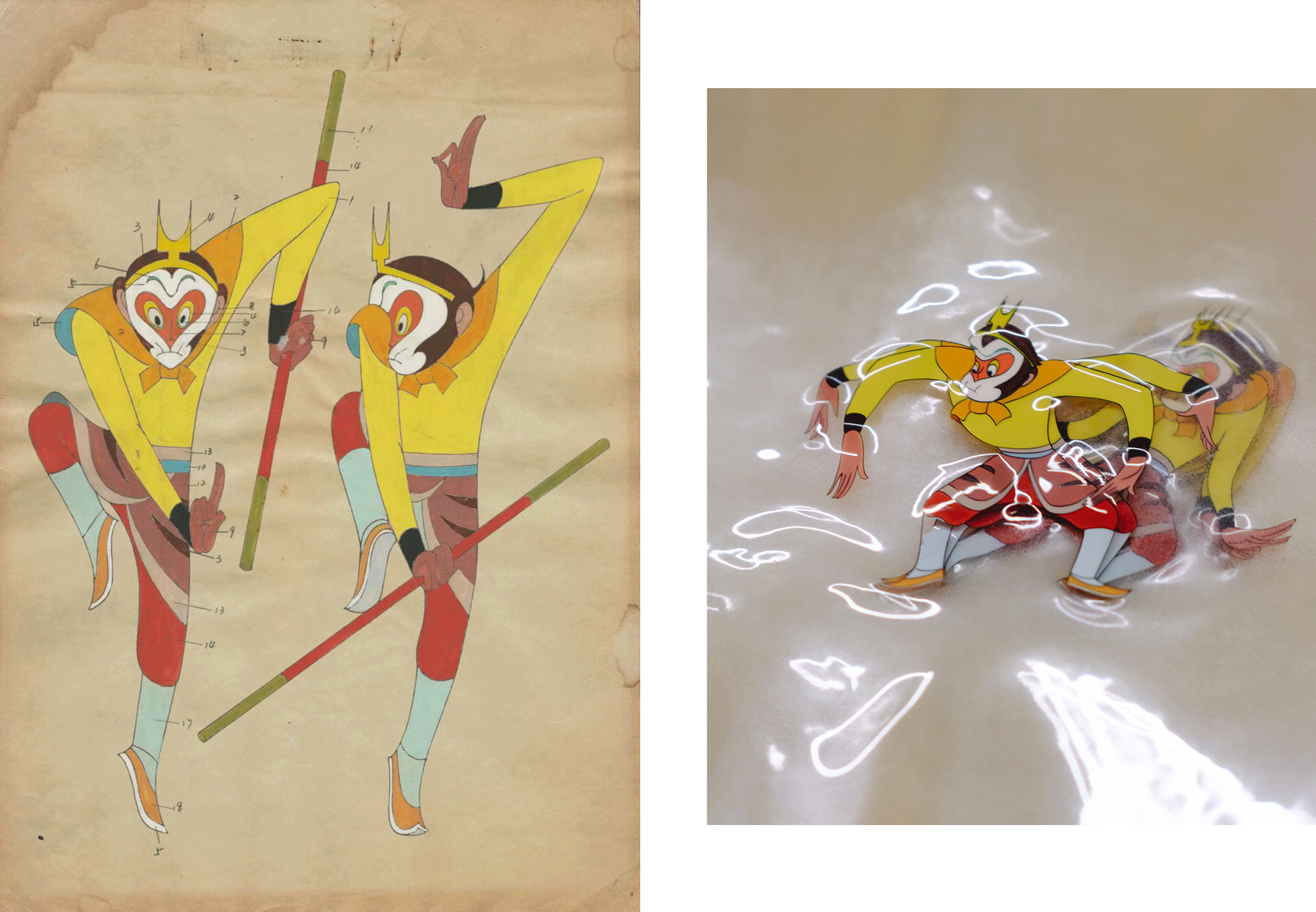
Soon after, Wan Laiming, the eldest of the Wan brothers, adapted another segment of “Journey to the West” into the animated feature “Havoc in Heaven” — China’s first color animated film.
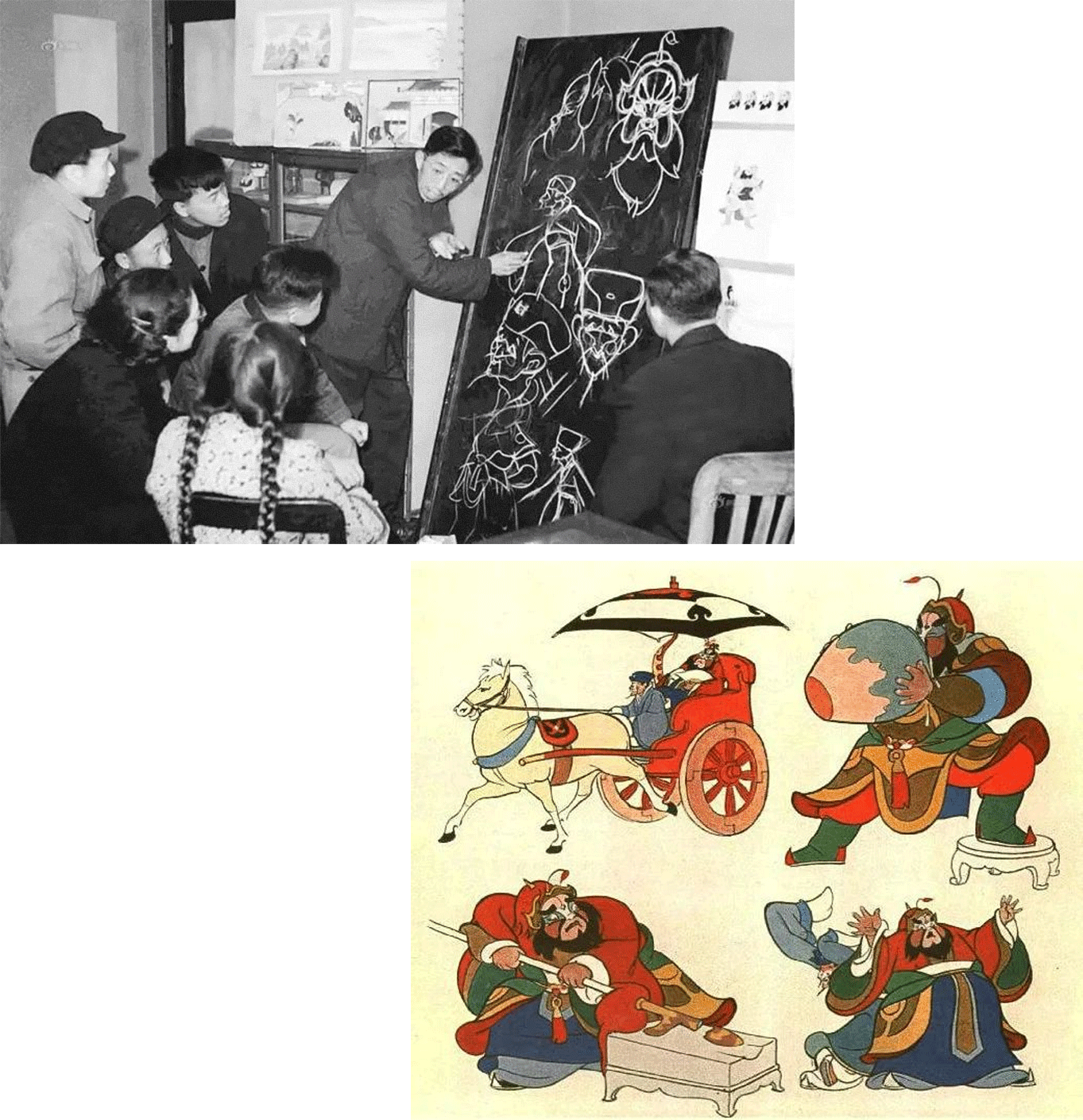
This adaptation not only showcased traditional Peking opera elements in its art, character, and motion design but also incorporated them into the soundtrack. It quickly became a cornerstone of the Chinese School of Animation, earning both domestic and international recognition.
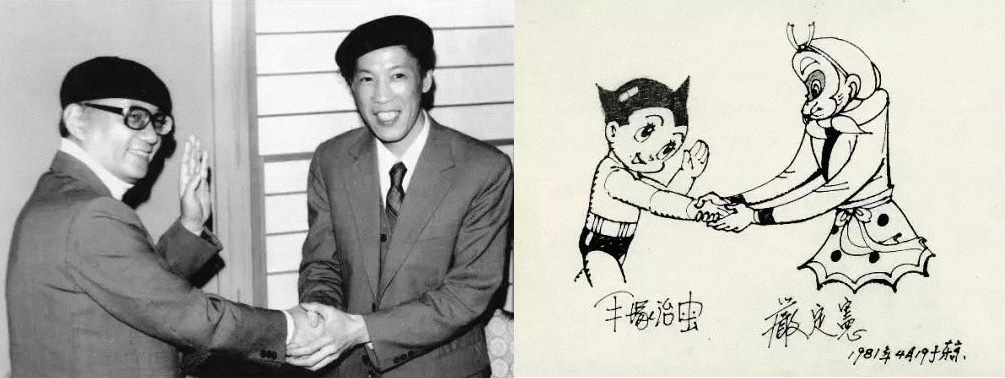
The film’s legacy significance was further underscored in 1981 during a cultural exchange in Japan, where Yan Dingxian, the film’s lead animation designer, and manga artist Tezuka Osamu, created an iconic image of Astro Boy and the Monkey King shaking hands.
Amid more collaborations and international exposure, the late 1970s and 1980s ushered in a second golden era for SAFS.
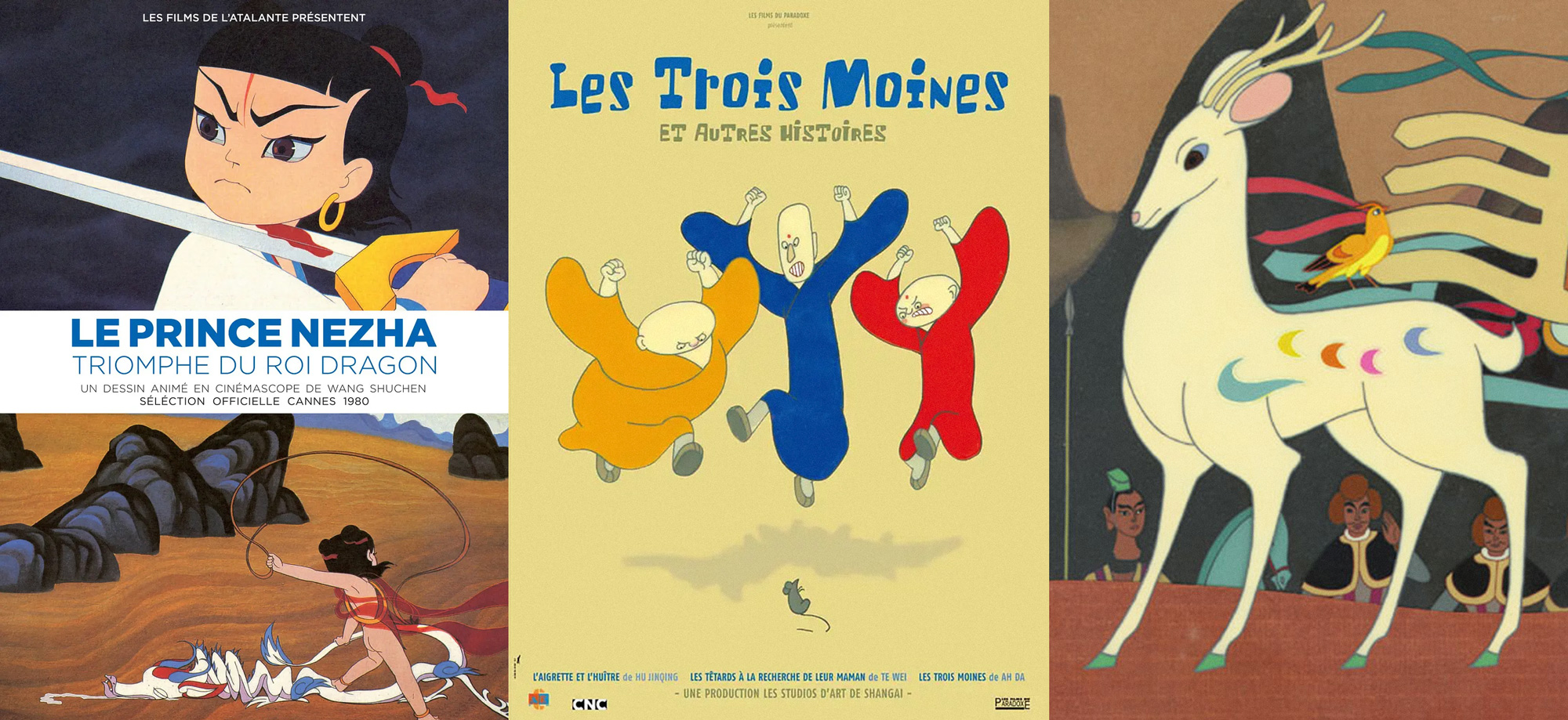
This period saw the creation of notable films such as “Nezha Conquers the Dragon King,” “The Legend of Sealed Book,” “Three Monks,” and “A Deer of Nine Colors.”
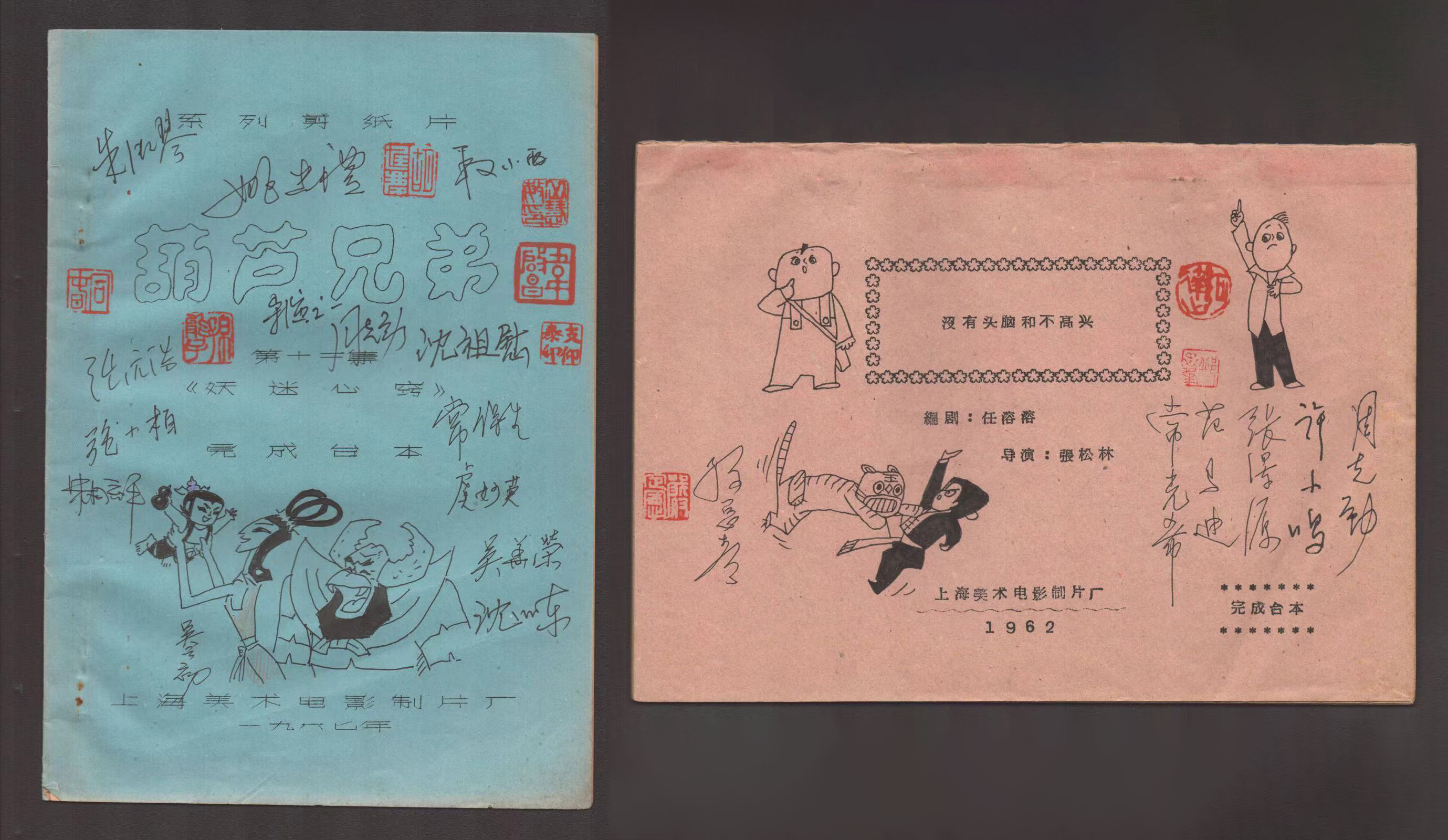
SAFS also expanded its repertoire to include animated series like “Inspector Black Cat” and “The Calabash Brothers,” watched by millions of post-’80s and ’90s-generation Chinese children growing up.
By 1995, China’s animation industry had fully embraced market principles, presenting both opportunities and challenges for the state-owned SAFS. In 1999, the studio released its first commercial animated feature film, “Lotus Lantern,” marking a successful transition to the competitive market environment.
In the current era of streaming media, this adaptability proved crucial. In 2023, SAFS tapped into the recent trend of short-form animation series — trailblazed by the likes of Netflix’s viral success “Love, Death & Robots” — co-producing the animated anthology “Yao-Chinese Folktales” with the domestic video platform Bilibili, attracting over 320 million views. Episodes such as “Goose Mountain” and “Nobody” showcased a blend of unique storytelling and artistic styles, resonating with broader audiences.
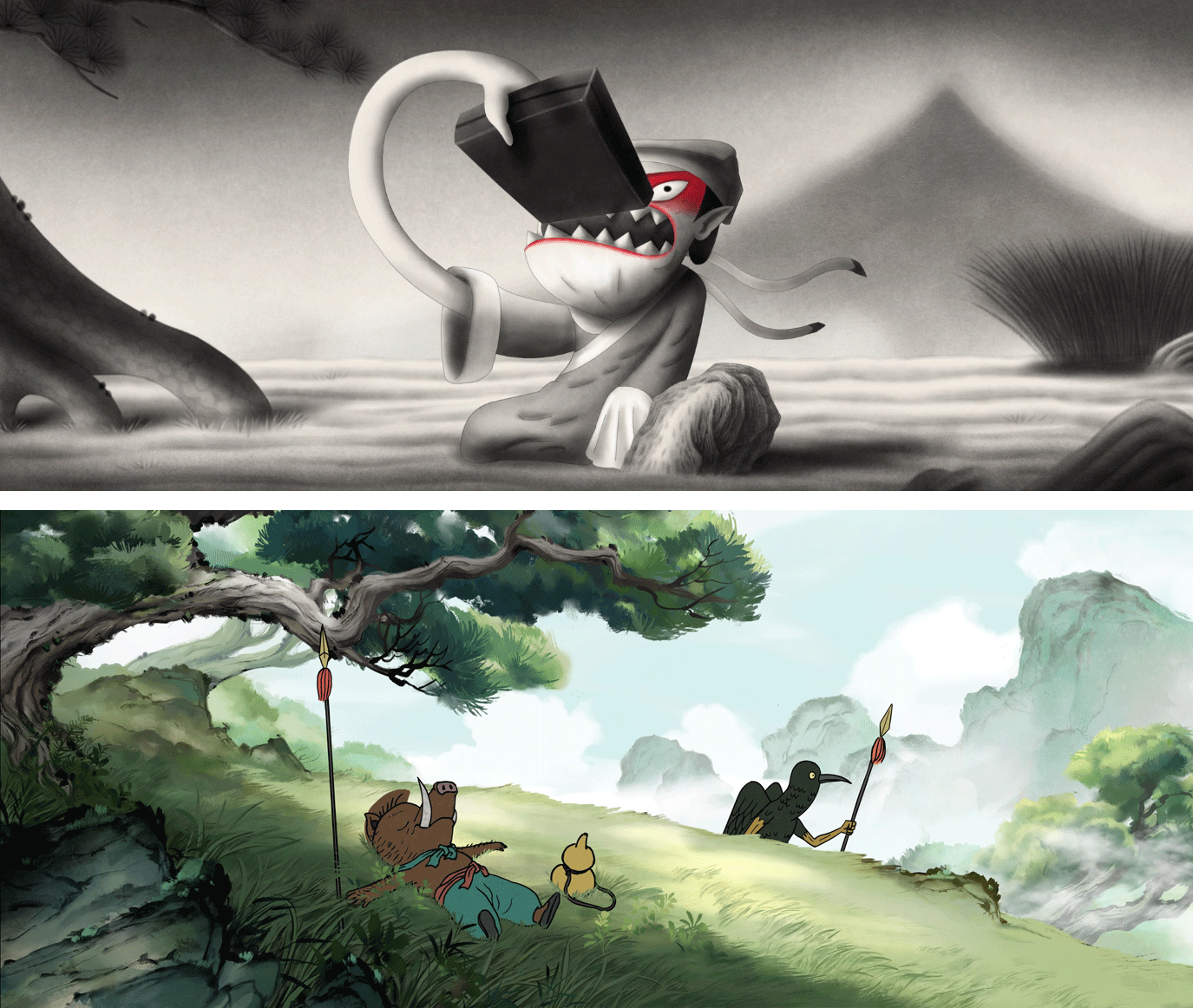
According to Kongzang Animation’s Fu, the animation industry is becoming increasingly decentralized: “Indie animators carve their own paths, while big studios pursue their distinct agendas.”
He views the “Yao-Chinese Folktales” anthology as a promising approach to how SAFS’s traditional expertise can be blended with indie artists’ unique styles.
“It’s an open and gratifying way for future productions,” Fu explains. “By bringing these artistically rich shorts to a broader audience, we can diversify the market’s offerings and reduce the over-reliance on animation styles that are prevalent in the U.S. and Japan.”

Contributions: Wu Huiyuan; editor: Apurva.
[SOURCE]


 EXTERNAL GAZER
Leave a comment