[ Via SMALL SCREEN ]
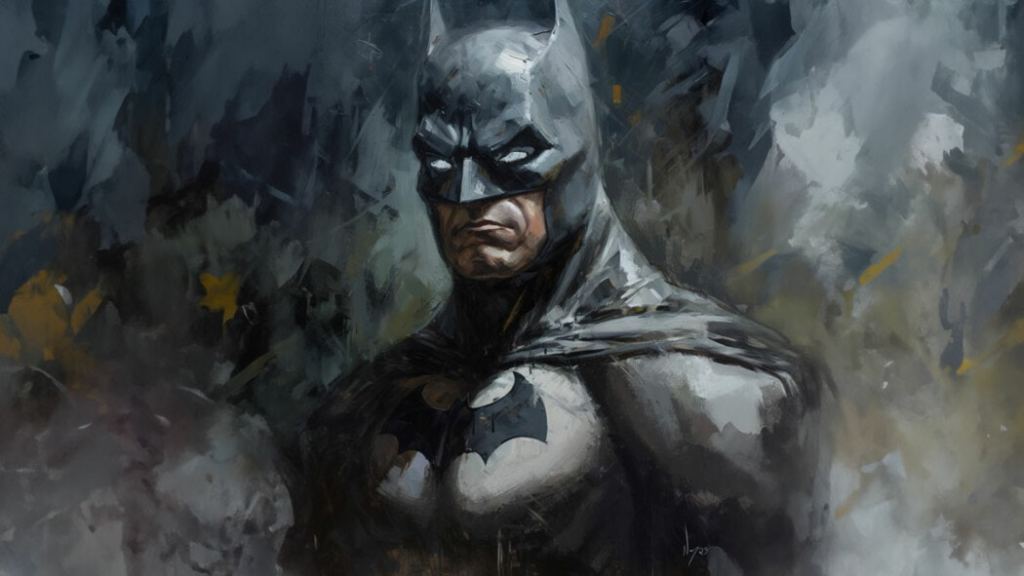
In a twist that seems ripped from the pages of a comic book, DC Comics’ latest Batman series has come under scrutiny, with accusations flying that the artwork might be the product of artificial intelligence. This controversy touches on broader debates within the creative industries about the role and recognition of AI-generated content, and whether it can, or should, replace human creativity. The Batman series, a staple of DC’s output, has long been celebrated for its rich storytelling and dynamic visual art, making these allegations particularly poignant for fans and creators alike.
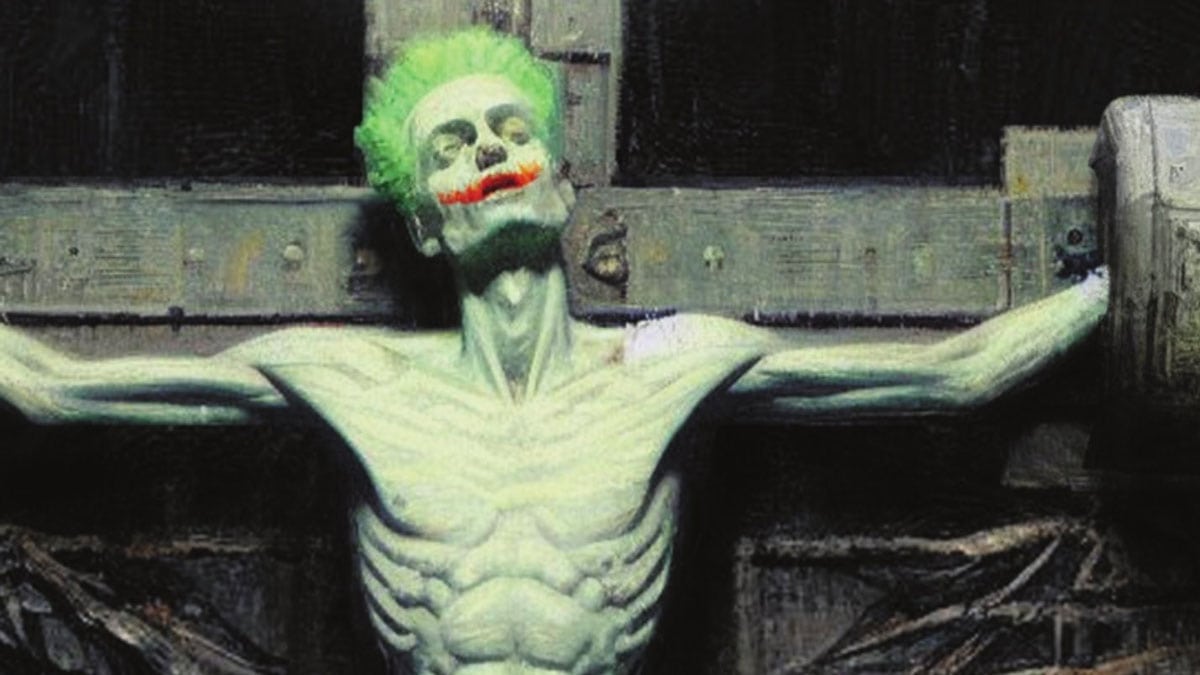
The allegations (via X) suggest a significant shift in the production of comic book art, a traditionally hands-on process where every line and shade is a testament to human skill and creativity. As the comic book community grapples with these claims, the implications extend beyond Batman, posing fundamental questions about authenticity, artistic integrity, and the future role of AI in the arts. The fervor around these accusations has sparked a wider discussion on social media, with industry insiders and fans alike weighing in on the potential ramifications for the beloved franchise.
The controversy began with a tweet from an observant fan who noticed uncanny similarities between the artwork in the new Batman series and the known outputs of AI art generators. This tweet quickly gained traction, leading to a broader inquiry into the origins of the artwork in question.
The allegations have sent shockwaves through the comic book industry, with artists and writers expressing concern over the potential use of AI in creating artwork for such a storied and iconic series. The debate centres on the implications for artistic credit, copyright, and the personal touch that is intrinsic to comic book art.
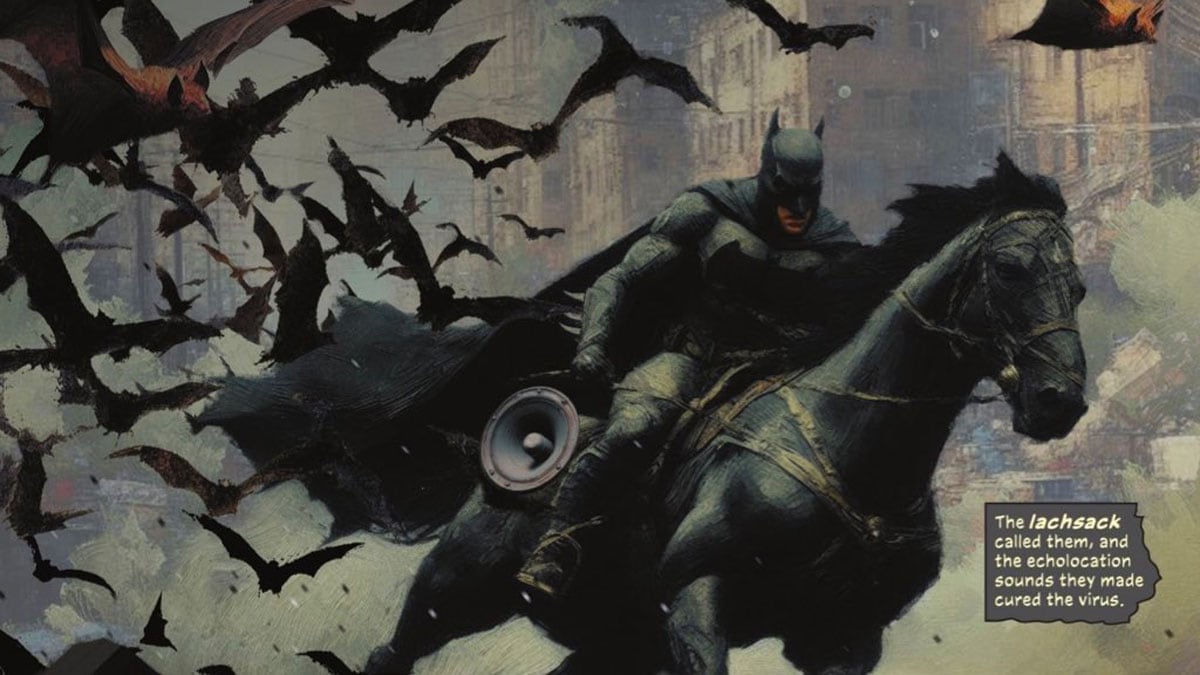
The use of AI in artistic creation is not new, but its application in mainstream comic book production marks a significant development. Proponents argue that AI can streamline processes and open new creative avenues, while detractors fear it may undermine the value of human artistry and dilute the personal connection that artists share with their work.
The crux of the debate lies in the ethical and creative implications of integrating AI into traditional creative processes. While AI can enhance and expedite certain aspects of creation, there is a growing call within the community to clearly delineate between human and AI contributions to preserve the authenticity and soul of the artwork.
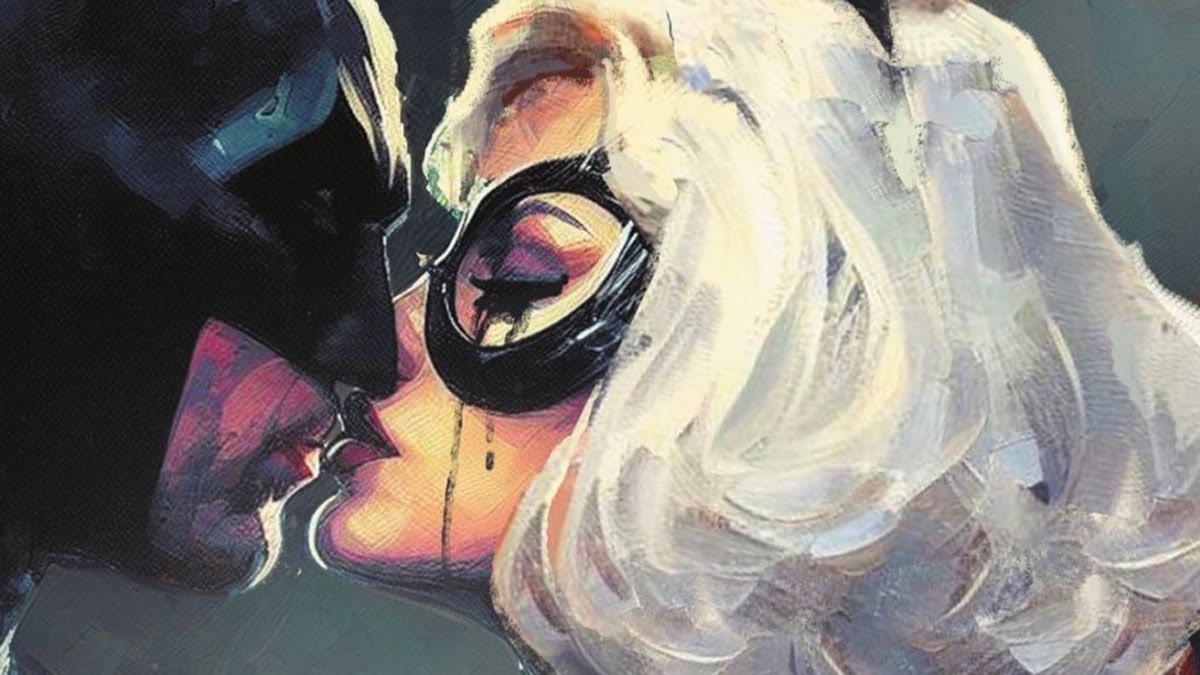
DC Comics has yet to formally respond to the allegations, but the situation underscores the need for transparency in the creative process. The company’s handling of the issue will be closely watched, as it could set precedents for how AI’s role in art is managed industry-wide.
The ongoing controversy around the Batman series may well catalyze a broader discussion about the role of AI in art and creativity. As technology advances, the comic book industry, along with other creative sectors, will need to navigate the integration of AI in a way that respects and preserves the human element that is at the heart of artistic expression.
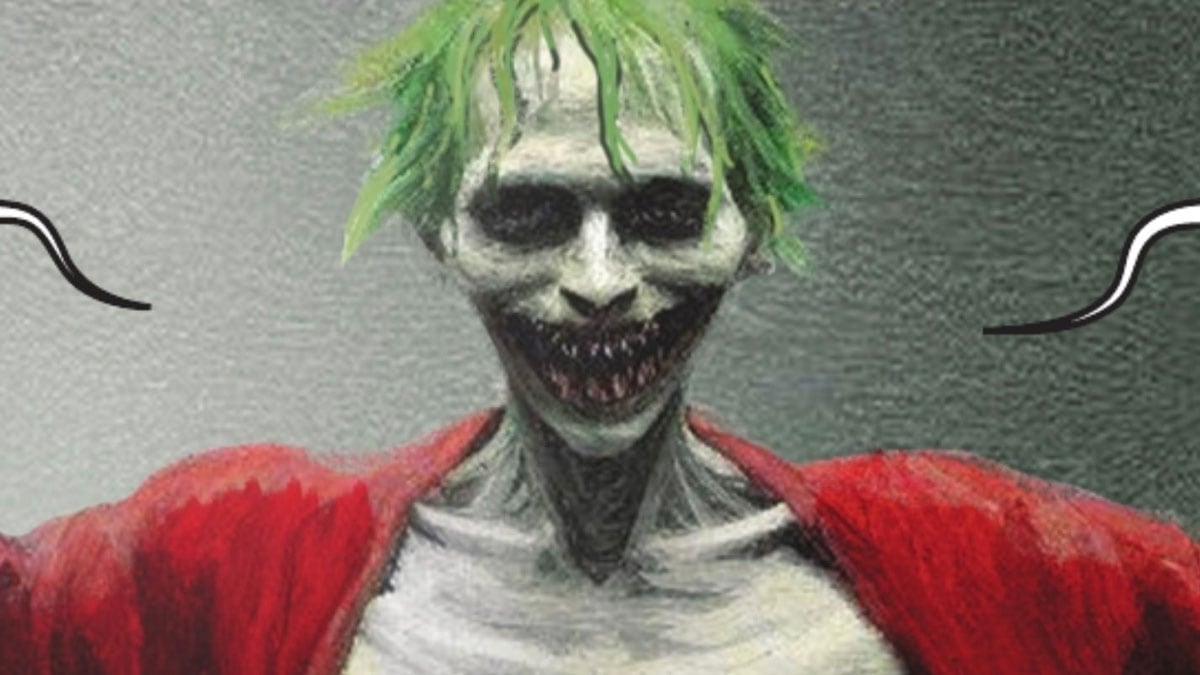
The allegations of AI-generated artwork in DC Comics’ new Batman series highlight a pivotal moment in the intersection of technology and traditional art forms. As the debate unfolds, it serves as a litmus test for the future of creative expression, challenging the industry to redefine the boundaries between human and machine in the artistic landscape.
The resolution of this controversy will not only affect the Batman series but also set a tone for how the comic book industry, and perhaps the broader artistic community, engages with AI technology. It presents an opportunity to critically assess the value we place on human creativity in an increasingly digital world and to establish ethical frameworks that honor the legacy and future of artistic endeavors.
[SOURCE]

 EXTERNAL GAZER
Leave a comment